Comprehensive Digestive Wellness at Liver and Gastro Care, Pune
World Hepatitis Day, observed on July 28, raises awareness about hepatitis and l...See More
Jul 28, 2026

Specialized in endoscopy, IBS, IBD, liver and pancreatic health

Advanced care for lasting gut wellness

Combining clinical precision with a patient-first approach in gastroenterology

Comprehensive liver care and diagnosis

Effective solutions for peptic disorders

Expert endoscopic care for gut health
.png)
.png)
.png)
.png)
.png)
.png)
About Us
Years of Experience
IBD Patients Treated
Endoscopies Performed
Happy Patients

Unlocking Digestive Wellness with Precision Care
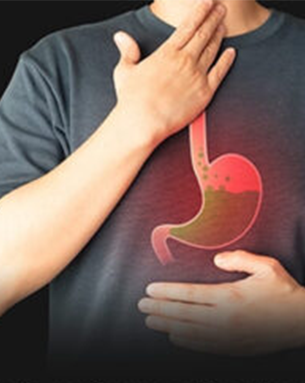
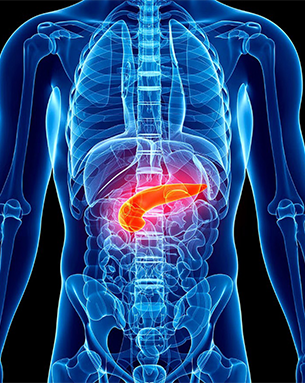
Stay informed with our latest updates, posts, announcements, and healthcare news
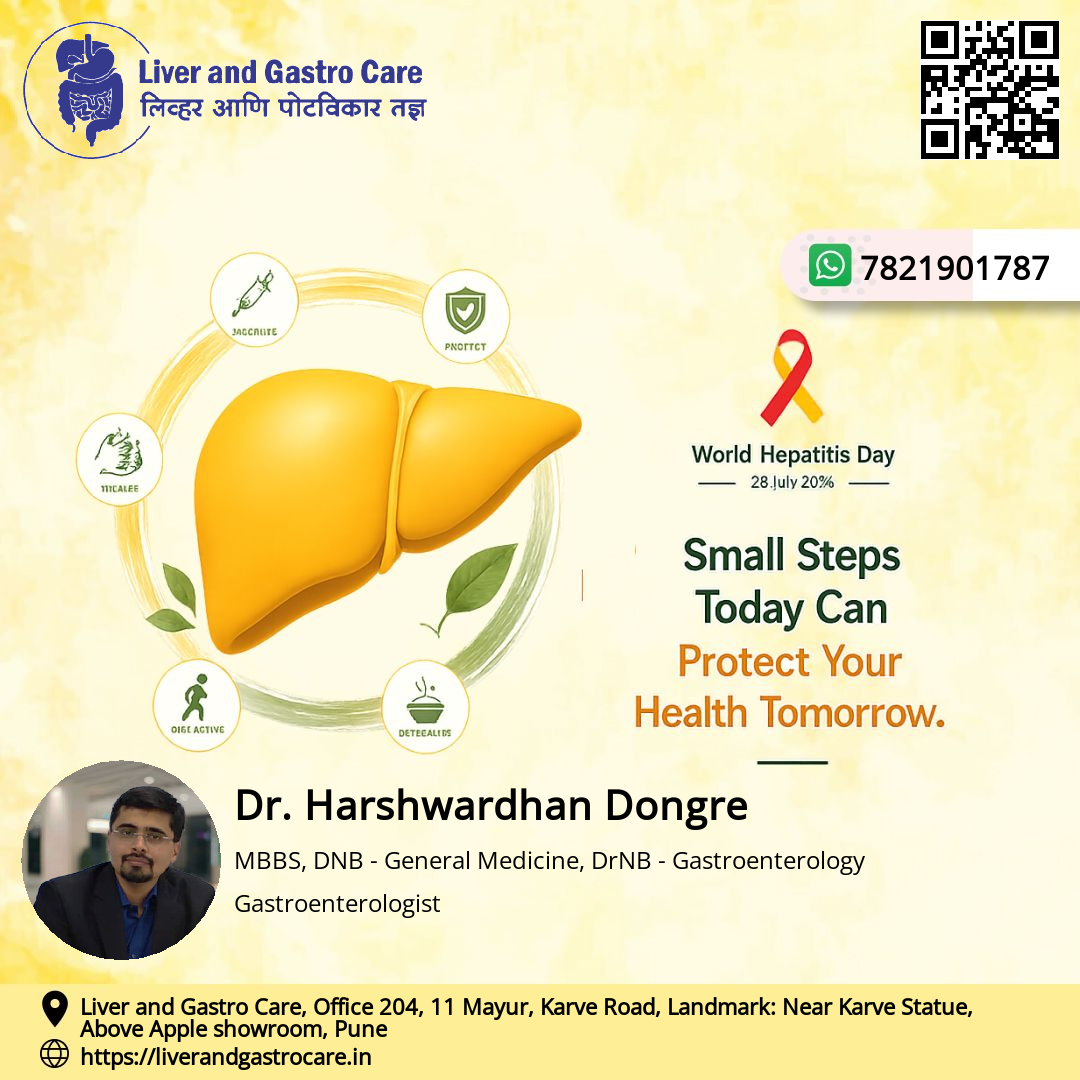
World Hepatitis Day, observed on July 28, raises awareness about hepatitis and l...See More
Jul 28, 2026

World Health Day highlights the importance of preventive health—taking steps to ...See More
Apr 07, 2026
Raising awareness about inflammatory bowel disease (IBD) helps reduce stigma and...See More
May 19, 2026
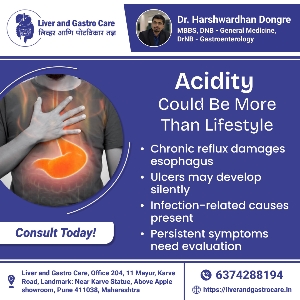
Hyperacidity means excess stomach acid or irritation of the stomach lining. Comm...See More
Apr 02, 2026
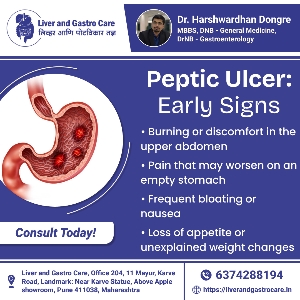
Symptoms of a peptic ulcer may include a burning or gnawing pain in the stomach,...See More
Mar 11, 2026
March is Colorectal Cancer Awareness Month, a time to emphasize the importance o...See More
Mar 04, 2026
Gastroenterologist
.png)
What our Patients says about us
Highly knowledgeable and empathetic doctor. Advised my father the right course of treatment. Highly recommended

Very good doctor, will recommend for liver disorders.
Excellent Care from Dr. Harshwardhan Dongre - Highly Recommend! I had the privilege of being treated by Dr. Harshwardhan Dongre for liver concerns, and I am incredibly grateful for the exceptional care I received. From the very first consultation, Dr. Harshwardhan Dongre was kind, patient, and thoroughly professional. He took the time to explain my condition in detail and made sure I understood all my treatment options. Dr. Harshwardhan Dongre’s expertise in liver health is clearly evident, and I felt completely confident in his hand. He listened to my concerns, answered all my questions, and made sure I felt supported throughout the entire process. What really stood out to me was Dr. Harshwardhan Dongre’s commitment to follow-up care. He regularly checked in to monitor my progress. I truly appreciate his dedication and caring approach. Overall, I highly recommend Dr. Harshwardhan Dongre for anyone in need of Liver care. He made a stressful time much easier to handle with his compassionate and expert care.
Our Latest Videos
.png)



Need Answers? Find them here...
Dr. Harshwardhan Dongre is a highly skilled medical gastroenterologist in Pune, with over 9 years of experience in addressing a diverse array of digestive health issues. He is renowned for his patient-centric approach and dedication to clinical excellence. After completing his post-graduate training in Internal Medicine at K J Somaiya Hospital, Mumbai, and his superspeciality training in Gastroenterology at GEM Hospital, Coimbatore, Dr. Dongre has gained a reputation for his expertise in treating conditions such as IBS, IBD, and complex liver disorders. His commitment to advanced GI diagnostics and minimally invasive procedures makes him a trusted choice for digestive health care.
Dr. Harshwardhan Dongre, a distinguished digestive health specialist in Pune, leverages his extensive experience and training to tackle complex digestive health issues. His clinical expertise encompasses dyspepsia, heartburn, pancreatic disorders, and more, with a special emphasis on complex liver disorders and nutritional challenges like unexplained weight loss. Utilizing advanced training in endoscopy and modern GI diagnostics, Dr. Dongre provides precise, minimally invasive treatments for both acute and chronic conditions. Patients rely on his compassionate care and sharp clinical judgment for effective management of their digestive health concerns.
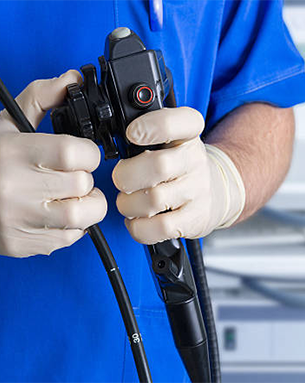
Endoscopy is a medical procedure that allows a gastroenterologist to view the inside of the digestive tract. It involves using a thin, flexible tube with a camera called an endoscope. This procedure is performed to diagnose and sometimes treat conditions like ulcers, bleeding, or tumors in the esophagus, stomach, and upper intestines. It is less invasive than surgery and provides valuable insights into digestive health.
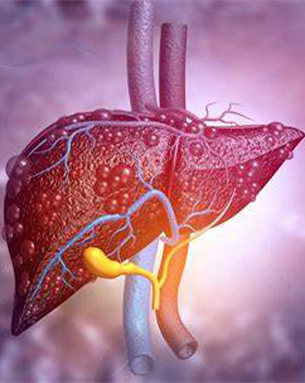
Liver disorders can be diagnosed through a combination of blood tests, imaging techniques like ultrasounds or MRIs, and sometimes a liver biopsy. Depending on the condition, treatment may include lifestyle changes, medications, or procedures to address the underlying cause, such as antiviral drugs for hepatitis or managing alcohol consumption to prevent further liver damage. Early detection is crucial for effective management.
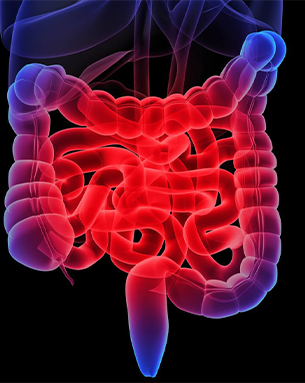
Inflammatory Bowel Disease (IBD) encompasses disorders like Crohn's disease and ulcerative colitis, which cause chronic inflammation in the digestive tract. Management involves medication to reduce inflammation and suppress immune responses, dietary changes, and sometimes surgery. Regular monitoring by a gastroenterologist is essential to tailor treatment plans, as IBD symptoms can vary widely among patients.
Acid Peptic Disease, which includes conditions like peptic ulcers and gastroesophageal reflux disease (GERD), is characterized by symptoms such as heartburn, stomach pain, bloating, and nausea. These symptoms result from the stomach lining being damaged by stomach acid. Diagnosis often involves endoscopy or imaging tests. Treatment may include lifestyle modifications, medications to reduce acid production, and dietary adjustments.
Pancreatic disorders can be caused by factors such as alcohol consumption, gallstones, or genetic predispositions. Conditions like pancreatitis or pancreatic cancer affect the pancreas's ability to function properly. Treatment varies depending on the disorder but may include medication for symptom management, lifestyle changes such as dietary adjustments, or, in severe cases, surgery. Medical monitoring is crucial for managing these conditions.
The frequency of endoscopy depends on individual health conditions and risk factors. Those with chronic conditions like Barrett's esophagus, a history of ulcers, or IBD may require more regular monitoring. Your gastroenterologist will recommend a schedule based on the severity of your condition, age, and overall health, aiming to balance the benefits of routine monitoring with the invasiveness of the procedure.
While not all liver disorders are preventable, certain lifestyle choices can reduce risk. Limiting alcohol consumption, maintaining a healthy weight, and avoiding substances that stress the liver, such as certain medications or toxins, can help. Additionally, getting vaccinated for hepatitis A and B and practicing safe hygiene can prevent viral liver infections. Regular check-ups with a healthcare provider can aid in early detection and management.
For managing IBD, dietary adjustments play a crucial role. It's recommended to avoid high-fiber foods during flare-ups, as they can aggravate symptoms. In general, a diet low in dairy and spicy foods is often advised. Keeping a food diary to identify triggers and working with a nutritionist can help tailor a diet plan. Each patient may respond differently, so individualized plans are essential for effective management.
Untreated Acid Peptic Disease can lead to several severe complications. These include the development of bleeding ulcers, perforation of the stomach lining, or strictures in the esophagus. Long-term exposure to acid can also increase the risk of developing esophageal cancer. It's crucial to seek treatment and regularly consult a gastroenterologist to prevent these potential outcomes and effectively manage the condition.
Early detection of pancreatic cancer is challenging due to its subtle symptoms. However, regular screenings and monitoring for people at high risk, such as those with a family history of the disease or genetic predispositions, can be beneficial. Imaging tests like CT scans, MRI, and endoscopic ultrasound are some of the methods used to detect early signs. Consulting with a specialist who is aware of your risk profile is essential.
 Address :Liver and Gastro Care, Office 204, 11 Mayur, Karve Road, Landmark: Near Karve Statue, Above Apple showroom, Pune 411038, Maharashtra